Sri Lanka is a cheap country to live in and a surprisingly expensive one to sightsee in. A bed, three meals and a bus ride can come to less than $25, but a single ticket to Sigiriya costs $35. So the honest answer to whether you can travel on $30 a day is yes - on most days, provided you choose your expensive days carefully. Here is where the money really goes. Figures are in US dollars at roughly 330 rupees to the dollar, the rate for much of 2026, and are approximate: prices in Sri Lanka have moved a great deal in recent years.
A realistic daily budget
- ◆Shoestring, about $20 to $30 a day - dorm beds or the cheapest guesthouse rooms, local food, buses and trains, and mostly free sights.
- ◆Comfortable budget, about $35 to $55 - a private room with a fan or air conditioning, a mix of local and tourist restaurants, the occasional tuk-tuk, and a paid sight every few days.
- ◆Mid-range, about $80 to $150 - boutique guesthouses, a car and driver for part of the trip, and the big sites and safaris.
Those figures are per person for two people travelling together. A solo traveller pays more for rooms and private transport, but much the same for everything else.
Where to sleep
Family-run guesthouses and homestays are the backbone of budget travel here, and they are excellent - clean, safe, and often run by people who will cook you an enormous breakfast and tell you which bus to take. A double room typically costs $15 to $30 a night outside the peak weeks, and more in Ella, Galle Fort and the south-coast beach towns in January and February. Hostels with dorm beds have spread to the main backpacker stops, at around $8 to $15 a bed. Prices rise sharply over Christmas and New Year, and in Kandy during the Esala Perahera.
What to eat
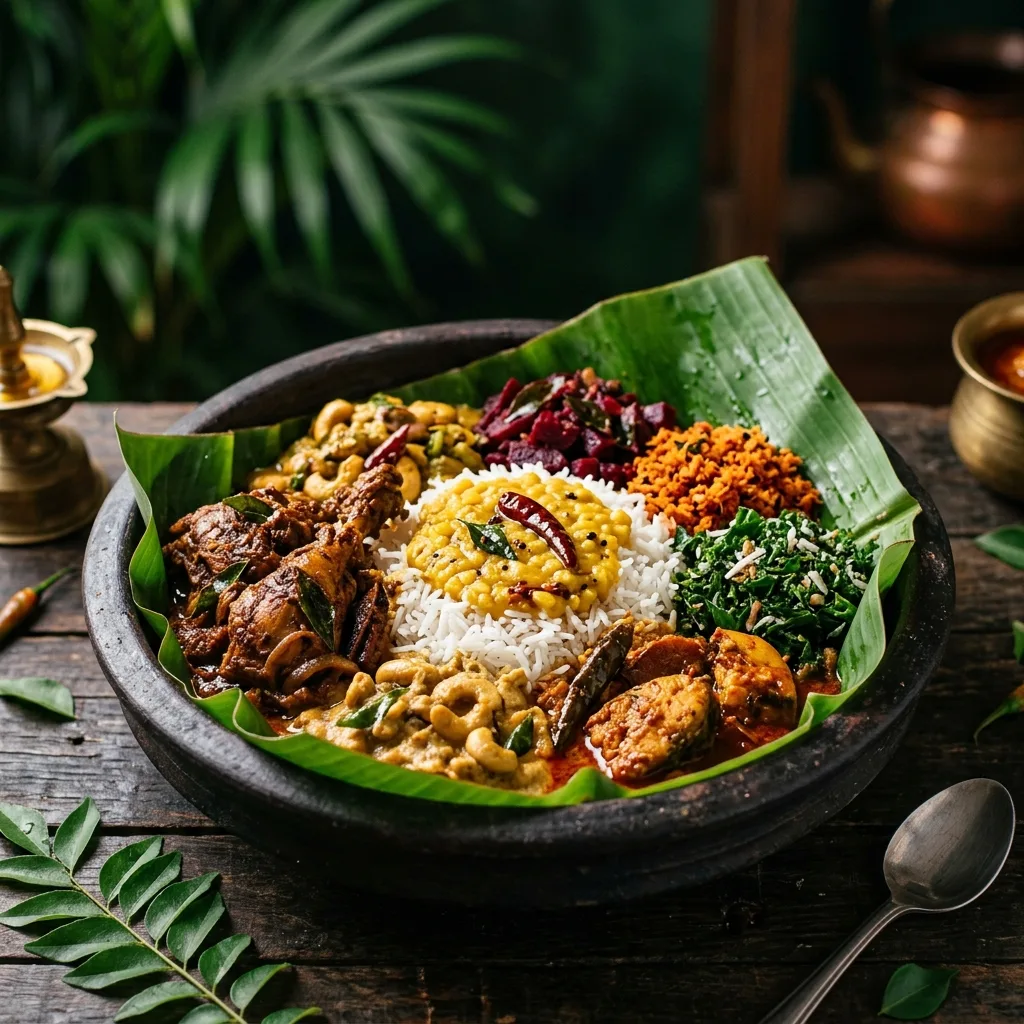
The cheapest good food in the country is rice and curry at lunchtime in a local eating house - a plate of rice with dhal and three or four vegetable or fish curries, often with refills. Confusingly, these places are usually called 'hotels'. In the evening the same kitchens switch to kottu, hoppers and fried rice. Short eats - patties, rolls and fish buns from a bakery counter - make a breakfast or snack for well under a dollar.
- ◆Local rice and curry: $1.50 to $3.
- ◆Kottu or fried rice at a local place: $2 to $4.
- ◆A main course at a tourist restaurant: $5 to $10, more in Galle Fort.
- ◆A large bottle of water: under a dollar. A beer in a bar: $2 to $4.
Getting around cheaply
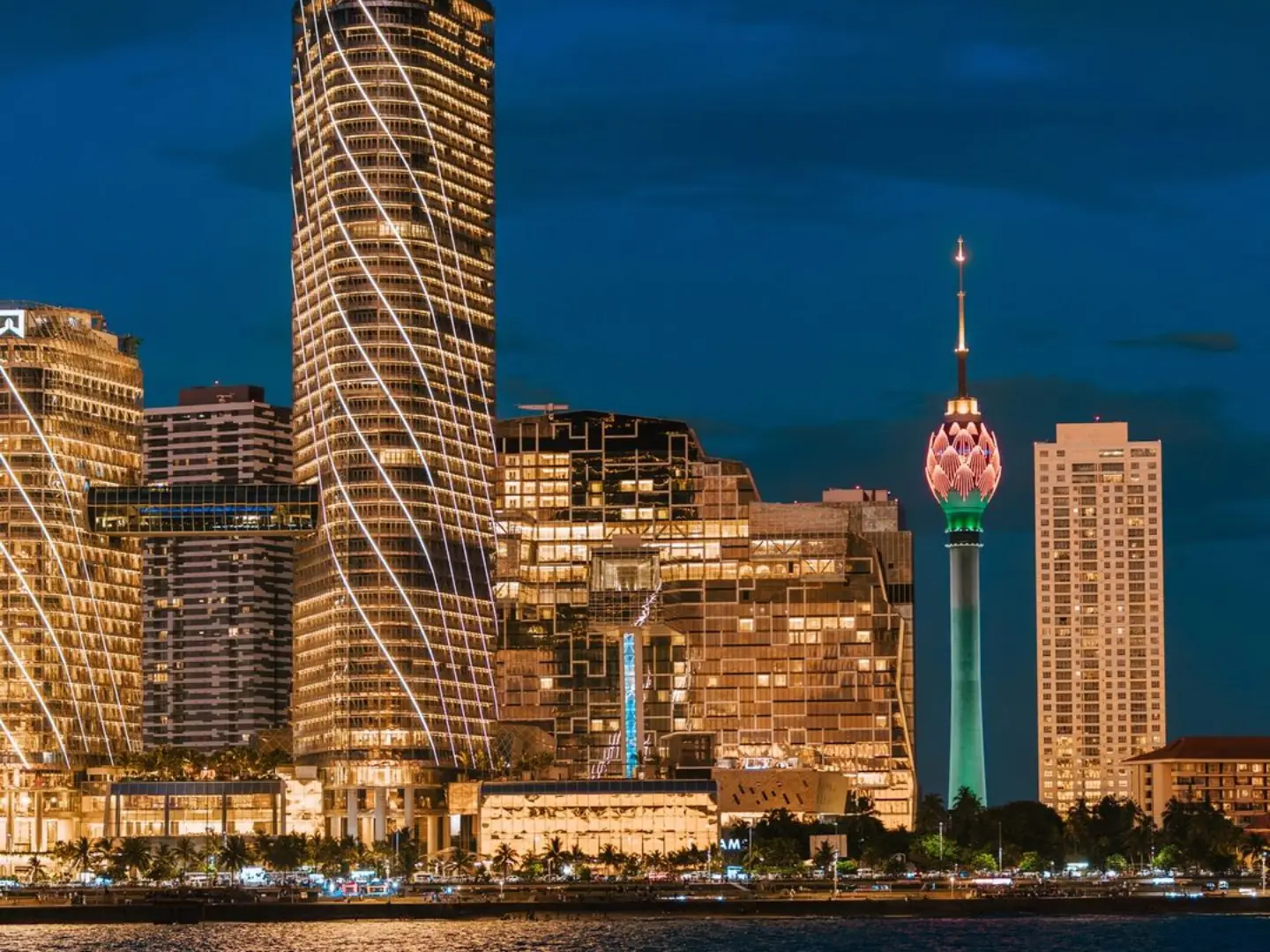
Public transport is where a budget trip saves the most. Government and private buses go almost everywhere and cost very little - a three-hour ride is typically a dollar or two. Trains are slower but similarly cheap, and the hill-country line is an attraction in its own right; sections of it are still being repaired after the 2025 cyclone, so check our train guide for what is running. For short hops, book tuk-tuks through the PickMe app, or Uber in Colombo, at metered prices rather than negotiating on the street.
The budget-breaker is the private driver. A car and driver costs about $50 to $80 a day, which is reasonable split between three or four people and painful for one. Most budget travellers use buses and trains for the long legs and hire a tuk-tuk for a half-day of sightseeing at either end. Our transport guide compares every option.
Where the budget breaks: tickets and safaris
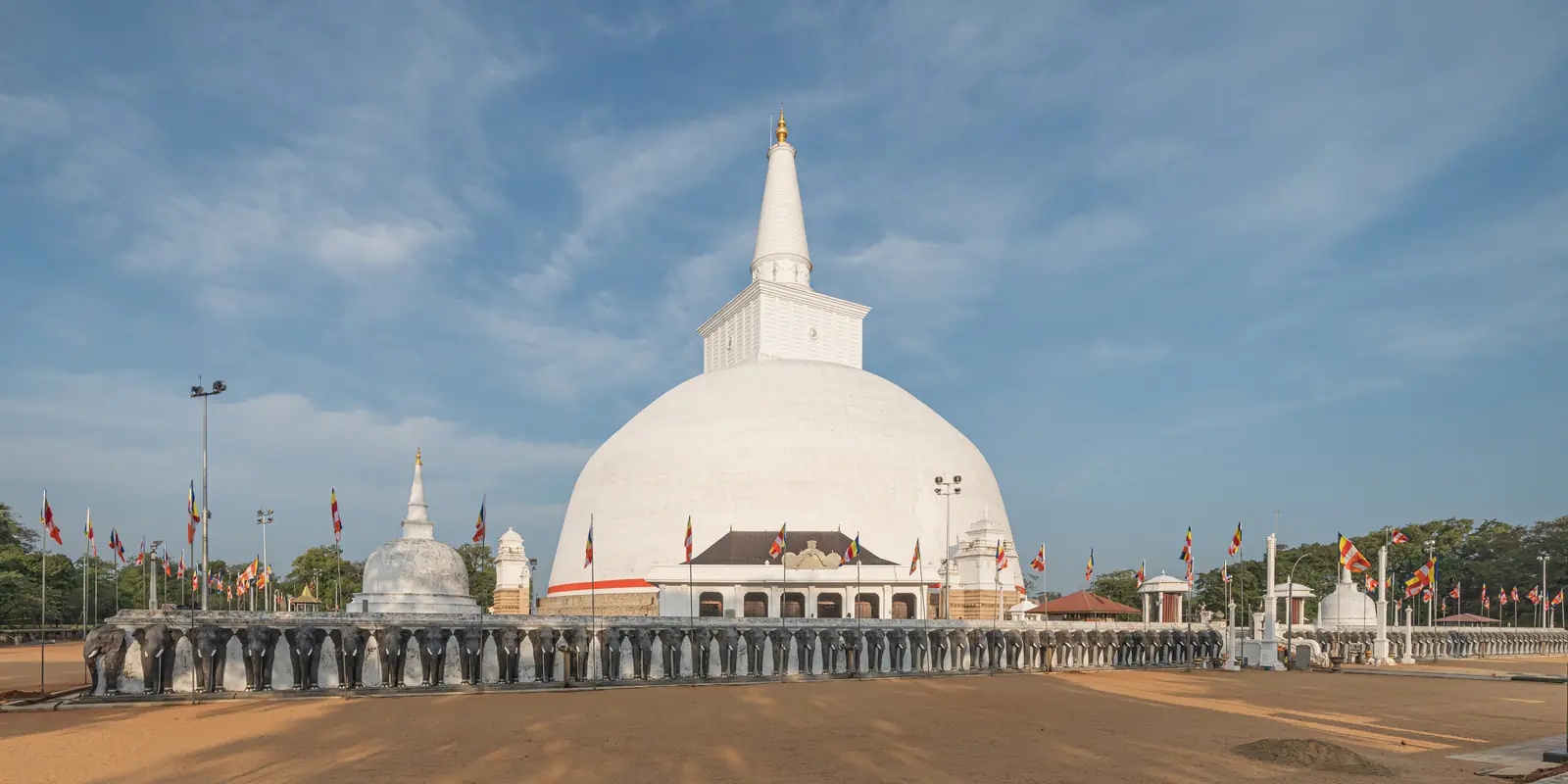
Entrance fees are priced for foreigners in dollars, and they are what turns a $25 day into a $70 one. Sigiriya is $35, Polonnaruwa and Anuradhapura around $30 each, and a half-day jeep safari at Yala or Udawalawe comes to roughly $40 to $60 a person once the park fee and the jeep are added together. Whale watching off Mirissa costs around $35 to $60. Our entrance fees guide has the full list.
The way to handle this is to choose rather than to skip. Pick the two or three paid sights that matter most to you, and build cheap days around them.
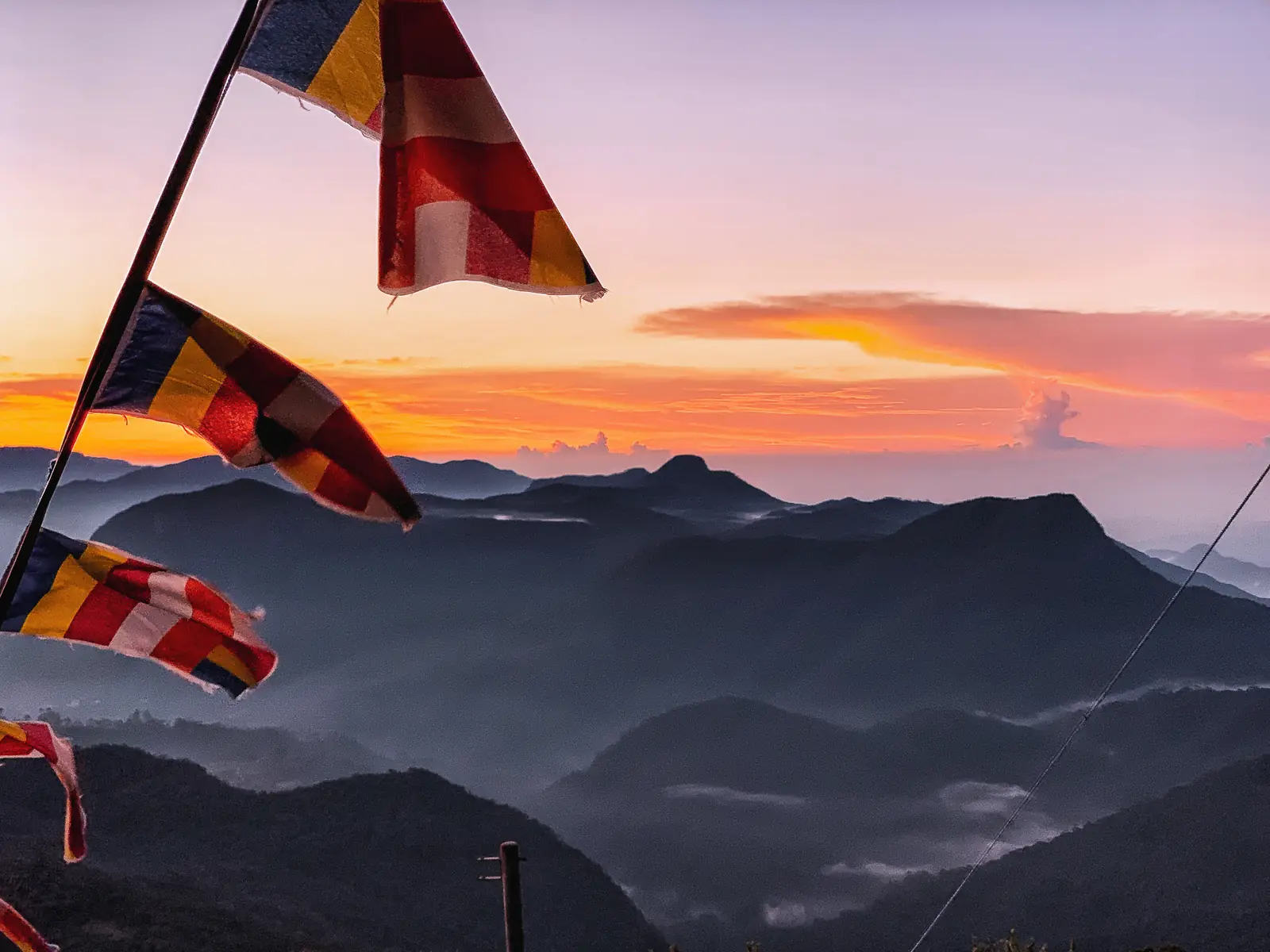
- ◆Climb Pidurangala instead of, or as well as, Sigiriya. It costs about 1,000 rupees ($3) and looks straight at the famous rock - our Sigiriya guide explains how to do both.
- ◆Pick one ancient city. Polonnaruwa is compact and easy to cycle; Anuradhapura is grander and more spread out. Most people are happy with one.
- ◆Choose the right safari. Udawalawe is the most reliable park for elephants, and usually cheaper and calmer than Yala.
- ◆Lean on the free sights. Galle Fort's ramparts, the Nine Arch Bridge, Little Adam's Peak, most beaches and most temples cost nothing.
A sample two-week budget
For two people travelling together on a comfortable budget for 14 days, a realistic total per person looks something like this:
- ◆Accommodation: 13 nights at $10 to $15 each as your half of a double room - about $130 to $200.
- ◆Food and drink: $10 to $15 a day - about $140 to $210.
- ◆Transport: buses, trains, tuk-tuks and a couple of private transfers - about $80 to $150.
- ◆Sights and activities: Sigiriya, one ancient city, one safari, whale watching or a surf lesson, and a few smaller temples - about $150 to $200.
- ◆Total: roughly $500 to $760 per person, or $35 to $55 a day, before flights and any visa fee - many nationalities now pay none, as our visa guide explains.
Small ways to save
- ◆Travel just outside the peak weeks. Late November, early December and April bring most of the good weather at noticeably lower room rates.
- ◆Stay longer in fewer places. Many guesthouses discount for three nights or more, and you spend less on transport.
- ◆Carry cash in small notes. Prices quoted to someone holding out a 5,000-rupee note have a way of rising.
- ◆Buy a local SIM at the airport. Data is cheap, and it unlocks the ride-hailing apps that keep tuk-tuk fares honest.
- ◆Say no to the commission circuit. Spice gardens, gem shops and 'factory outlets' on a driver's route are where budgets quietly leak away.
If you would rather not do the sums yourself, the trip planner builds an itinerary to your budget band, with an estimated cost for each day.