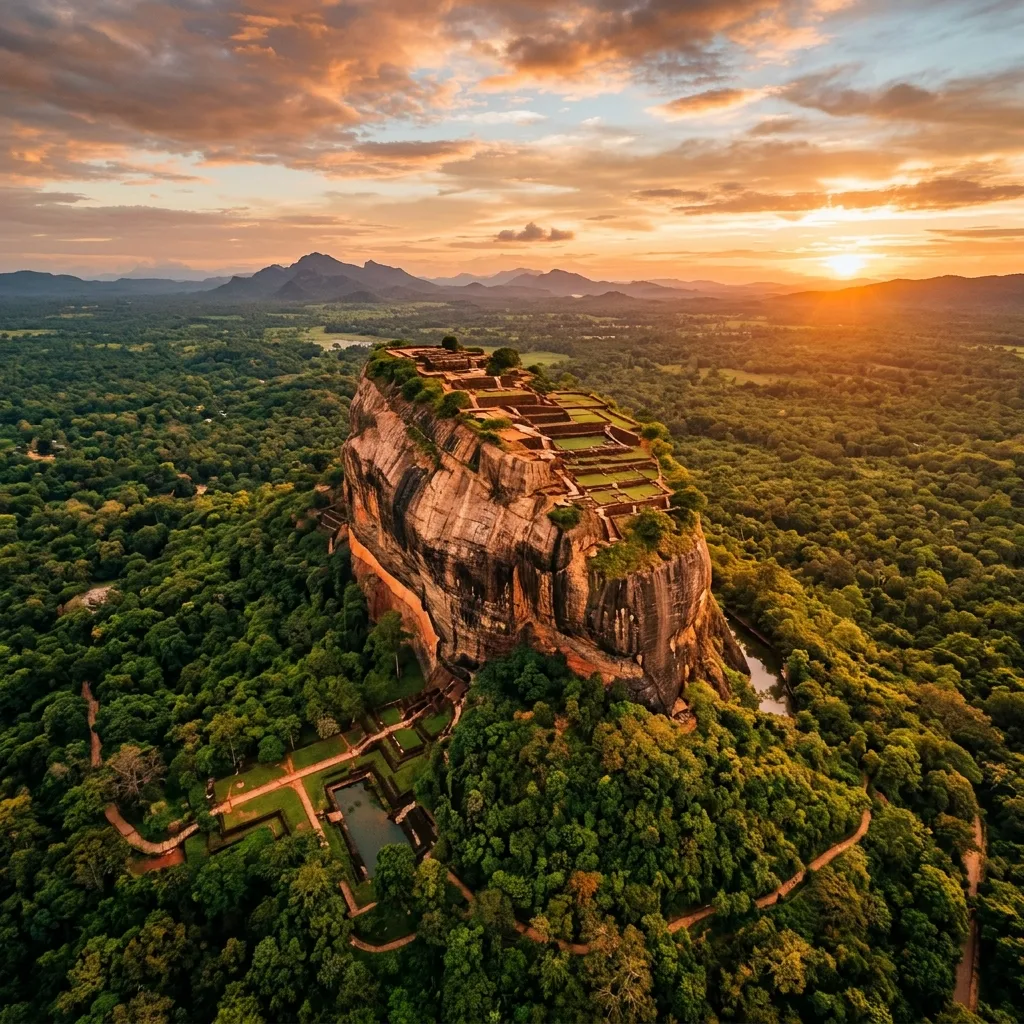
Sigiriya is a 200-metre granite rock that a fifth-century king turned into a palace, and it lives up to the photographs - which is rarer than it should be. It is also the most expensive ticket in Sri Lanka, one of the hottest climbs, and on a bad morning one of the most crowded. None of that is a reason to skip it. It is a reason to plan the visit, because the difference between a good Sigiriya morning and a bad one is mostly a matter of timing.
The ticket
Foreign adults from outside South Asia pay $35, collected in rupees at the day's rate at the ticket office by the entrance. Children pay less, under-sixes go free, and nationals of SAARC countries pay a reduced rate on production of a passport. The ticket includes the site museum, which is worth twenty minutes on the way in for the context it gives the frescoes. Card machines exist and are not always working, so carry enough cash. Our entrance fees guide covers the other big sites.
When to arrive
The site opens early - around 6:30 to 7am - and the ticket office stops selling in the late afternoon, at about 5pm. The best single piece of advice is to be there for opening. There are two reasons. The first is heat: the upper rock is completely exposed and the metal stairways warm up fast. The second is bottlenecks: the climb narrows to single-file staircases where one slow group can hold everyone behind it for twenty minutes, and by about 9:30am in the main season the coaches from Colombo and Kandy have arrived.
The second-best time is mid-afternoon, from about 3pm, when the day-trippers have gone and the light on the rock turns warm. You lose the morning cool but gain a quieter summit. Avoid the middle of the day entirely between March and September, when the heat on the upper staircase is punishing.
The climb, stage by stage
Most people take two to three hours for the round trip, including time at the top. There are roughly 1,200 steps, a mix of ancient stone stairs and modern metal staircases bolted to the rock. Anyone of ordinary fitness can do it; go slowly and rest in the shade.
- ◆The water gardens. The symmetrical pools and channels at the base are among the oldest landscaped gardens in the world, and after heavy rain the ancient fountains still run.
- ◆The boulder gardens and lower stairs. A shady, gradual climb past the footings of pavilions and old cave shelters, some with traces of paint.
- ◆The frescoes. A spiral staircase leads up to a sheltered gallery of painted women among the clouds. Photographing the frescoes is not allowed, and attendants enforce it.
- ◆The mirror wall. Once polished to a shine, it carries verses scratched by visitors more than a thousand years ago - some of the oldest graffiti anywhere. Please don't add to it.
- ◆The Lion Terrace. A broad platform halfway up, with the two enormous carved paws that gave Sigiriya its name, and the start of the final ascent.
- ◆The summit. A steep metal stairway up the open rock face brings you to the palace foundations, a rock-cut cistern, and views over the jungle to Pidurangala and the plains.
Unofficial helpers
On the lower steps, men may offer to guide you, steady you on the stairs or carry your bag. Some are genuine guides; others will expect a large tip at the top, often $10 to $20, for help you never asked for. If you don't want the service, say so politely and clearly at the start rather than halfway up. If you do want a guide - and a good one makes the gardens and frescoes far more interesting - agree the price before you begin.
Pidurangala: the other rock
Pidurangala, a kilometre to the north, gives you the view of Sigiriya rather than from it, and many travellers rate it the better experience. It is managed by the temple at its foot, which charges about 1,000 rupees (roughly $3). The climb takes 30 to 45 minutes through forest and past a large brick reclining Buddha, and ends with a short scramble over boulders that needs your hands as well as your feet. The flat summit faces Sigiriya directly across the jungle.
- ◆Sunrise or sunset? Sunrise means starting in the dark; sunset means a crowd at the top and walking down at dusk. Either way, bring a torch.
- ◆Dress for the temple. Shoulders and knees must be covered as you pass through the temple grounds at the base - a sarong or scarf in your bag does the job.
- ◆Skip it if you are uneasy on rock. The final scramble is short but exposed.
A good Sigiriya day
The most satisfying plan is Sigiriya at opening, a long lunch and a rest through the heat, then Pidurangala for sunset - or the reverse, Pidurangala at dawn and Sigiriya from mid-afternoon. Stay in Sigiriya village itself so the gate is minutes away. The Dambulla Cave Temple is about half an hour's drive, and from July to October the elephant Gathering at Minneriya is close enough for an afternoon safari.
What to bring
- ◆Water - more than you think. It is sold at the base, not on the rock.
- ◆Shoes with grip. The stone steps are worn smooth and the metal stairs are steep.
- ◆A hat and sun cream for the exposed upper climb.
- ◆Cash in rupees for the ticket, water and a guide if you want one.
- ◆A head for heights - or at least a willingness to look at the rock rather than the drop on the final staircase.
Sigiriya anchors most first trips to Sri Lanka. Our itineraries show how to fit it around Kandy and the hill country, and the Cultural Triangle collection lists the other ancient sites within reach.