Sri Lanka's temples are not museums. Even the ancient ones are living places of worship, and on a full-moon day you will share the terrace of a two-thousand-year-old stupa with families in white carrying flowers and oil lamps. Visitors are almost always welcome, and the rules are few and simple. A handful of them, though, are taken very seriously - more seriously than many travellers expect.
What to wear
Cover your shoulders and knees at any religious site. That rules out vests, short skirts and shorts: wear trousers or a long skirt, or tie a sarong over shorts, with a T-shirt or a shawl over the shoulders. The rule applies to men and women alike, and at the major temples it is checked at the entrance. The simplest habit is to keep a light sarong or scarf in your day bag. White is the traditional colour for worshippers, especially on Poya days, but visitors aren't expected to wear it.
Hats come off and shoes come off - usually at the outer gate rather than the shrine door, and often well before you would expect. Large sites have a shoe stand, sometimes free and sometimes for a small fee. Socks are generally acceptable, and a good idea: the stone terraces of the Cultural Triangle become painfully hot by late morning, which is one more reason to visit the ancient cities early.
Buddha images: the rules that matter most
Respect for images of the Buddha is taken extremely seriously in Sri Lanka, and this is where visitors can get into genuine trouble.
- ◆Don't pose with your back to a Buddha statue. A selfie with a Buddha image over your shoulder is considered disrespectful, and many sites have signs saying so.
- ◆Don't touch, climb or sit on statues, or on the platforms and railings around them.
- ◆Cover any Buddha tattoo. Tattoos of the Buddha are regarded as deeply offensive - in 2014 a British tourist was deported over one on her arm. If you have one, keep it covered for the whole trip, including at the airport.
- ◆Leave Buddha-print clothing at home. It can cause offence in the same way.
- ◆Point your feet away from Buddha images, and from monks, when you sit down.
Inside a Buddhist temple
- ◆Walk clockwise around stupas and Bo trees, keeping them on your right.
- ◆Keep your voice down and your phone on silent. People are praying.
- ◆Offerings are welcome but never expected. Flowers, usually lotus or frangipani, are sold outside larger temples, and a donation box is the usual way to contribute.
- ◆Photography is generally fine in the grounds but not always inside shrine rooms, and flash is often banned to protect old paintings, as in the caves at Dambulla. Follow the signs, and ask before photographing people at prayer.
- ◆Drones need permission from the Civil Aviation Authority of Sri Lanka and are banned at many religious and archaeological sites. Don't fly one over a temple.
Monks
Monks are treated with great respect. Greet them with a slight bow or palms pressed together rather than a handshake. Women should not touch a monk or hand him anything directly - place it on a table, or hand it to a man to pass on. Avoid sitting higher than a monk where you can, and on buses, leave the front seats free: they are reserved for clergy. Photographing monks is usually fine if you ask first.
Hindu kovils
Tamil Hindu temples, called kovils, follow similar rules on dress and shoes, with a few additions. At some, men are asked to remove their shirts before entering the inner temple - at the Nallur Kandaswamy Kovil in Jaffna it is expected of every man. Leather items may not be allowed inside. Puja times, when drums and bells announce the offerings, are the most atmospheric moments to visit, but stand back and let worshippers through. Photography of the inner sanctum is generally not permitted.
Mosques and churches
Mosques welcome respectful visitors outside prayer times. Dress conservatively, with long sleeves and long trousers or skirts, and women should cover their hair; some mosques lend robes and scarves at the door. Colombo's red-and-white Jami Ul-Alfar Mosque in Pettah is the best known. Churches ask for the same modest dress. St Anthony's Shrine in Kochchikade is a remarkable place to watch Sri Lanka's faiths overlap: Buddhists and Hindus come to pray alongside Catholics, above all on Tuesdays.
Poya days
Every full moon is Poya, a public holiday and the Buddhist holy day. Temples are at their busiest and most beautiful, with families in white, oil lamps and chanting into the evening, and it is a wonderful time to visit one - just expect crowds at the famous sites. Alcohol is not sold on Poya days, many shops close, and some hotels and restaurants won't serve it either.
The great sacred sites
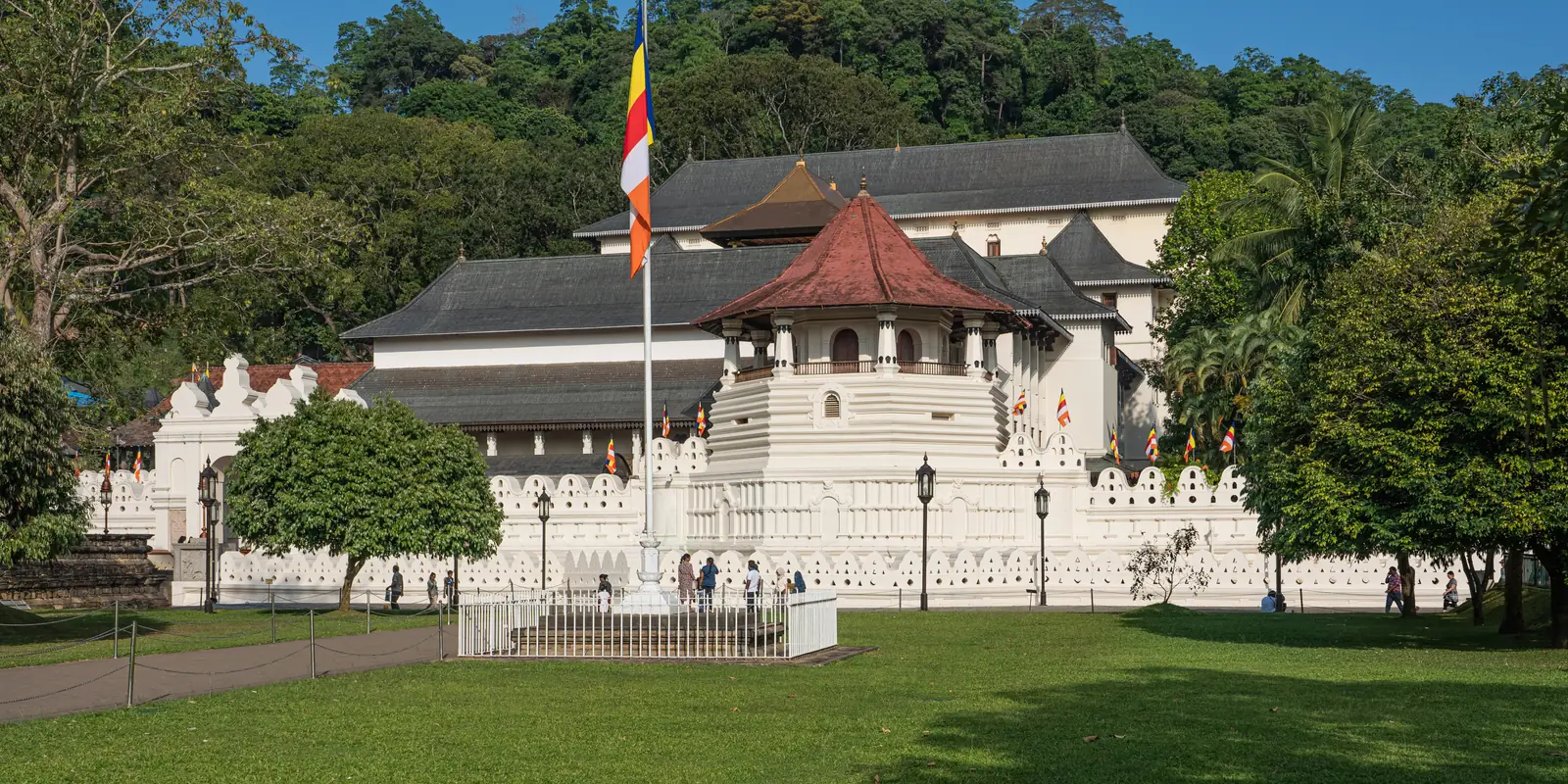
- ◆Temple of the Sacred Tooth Relic, Kandy - the most important Buddhist site in the country. Go for the drums of the evening puja.
- ◆Sri Maha Bodhi, Anuradhapura - a fig tree grown from a cutting of the tree under which the Buddha attained enlightenment, planted more than two thousand years ago and tended ever since.
- ◆Ruwanwelisaya, Anuradhapura - a great white stupa, at its most moving on a full-moon evening.
- ◆Kelaniya Raja Maha Vihara, near Colombo - busy, beautiful and easy to reach, with murals telling the island's history.
- ◆Gangaramaya, Colombo - eclectic, crowded and fascinating, with a museum of donated curiosities.
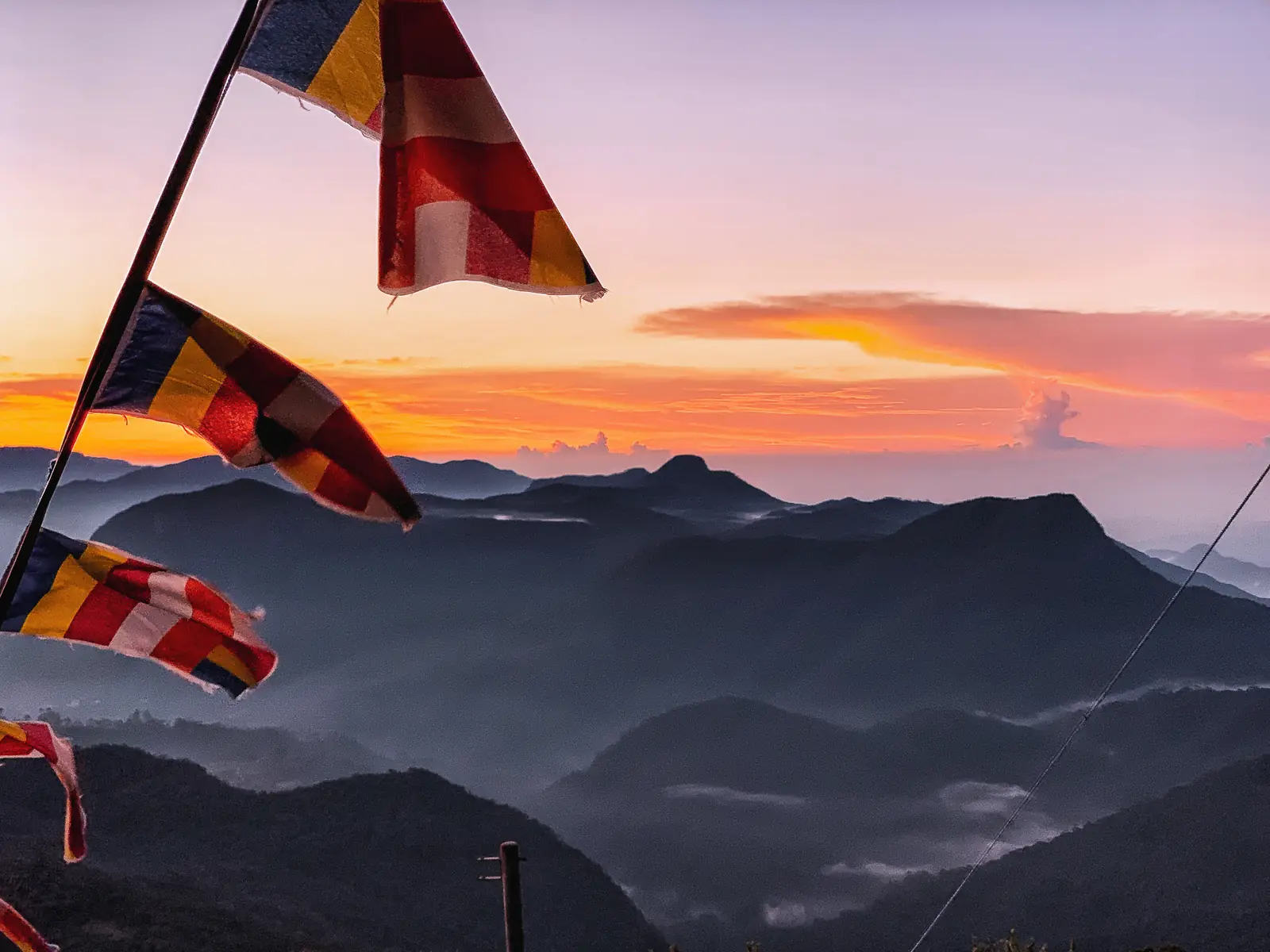
- ◆Adam's Peak - a mountain sacred to four faiths, climbed through the night by pilgrims between December and May.
None of this should make you nervous. Sri Lankans are famously patient with visitors who are clearly trying, and a smile, covered shoulders and your shoes in your hand will see you through almost everything. Our itineraries show how to fit the great temples into a route, and the temples and shrines collection lists every one in our guide.