Sri Lankan food is one of the best reasons to visit, and one of the least understood before you arrive. It is not Indian food under another name, although it shares a great deal with the cooking of south India. It is built on coconut in every form, on rice, on chilli, and on curry powders roasted darker than most visitors expect. It also changes with the time of day: a dish you see everywhere at lunchtime can be impossible to find at dinner. Here are fifteen things to look for, roughly in the order a day of eating would bring them.
Breakfast and the morning
1. String hoppers
Small nests of steamed rice-flour noodles, eaten at breakfast and dinner with kiri hodi - a thin, mild gravy of coconut milk and turmeric - plus a dhal curry and pol sambol. They are gentle, cheap and a good first step into Sri Lankan food.
2. Kiribath
Rice cooked in coconut milk until it sets, cut into diamonds, and eaten with lunu miris, a fierce relish of chilli, onion and Maldive fish. It is the first meal of the Sinhala and Tamil New Year and a dish of celebration, but also an everyday breakfast.
3. Pittu
Steamed cylinders of rice flour and grated coconut, more common in the north and east, broken up at the table and eaten with coconut milk and a curry.
4. Short eats
Bakeries and tea shops lay out fish buns, vegetable rolls, cutlets and patties. In many places a whole plate is put on your table and you pay only for what you eat - a system that relies on honesty, and works. Fish buns are the default; ask for a vegetable roll if you don't eat fish.
Lunch: rice and curry
5. Rice and curry
The national meal, and mostly a lunchtime one. A plate of rice arrives with anything from three to ten small curries: dhal, perhaps a fish or chicken curry, and vegetables you may not recognise - young jackfruit, beetroot, green beans, banana flower, bitter gourd. In a local eating house it costs very little and the rice is often refilled. In a home or a good guesthouse, it may be the best food you eat in the country. Mix a little of each curry into the rice as you go.
6. Parippu
Red lentils cooked with coconut milk, turmeric and curry leaves and finished with fried mustard seeds and onion. Mild, comforting, and on almost every plate of rice and curry.
7. Pol sambol
Freshly grated coconut pounded with chilli, red onion, lime and usually Maldive fish. It goes with everything, and it is the taste most visitors take home with them.
8. Gotu kola sambol
A fresh, finely shredded salad of pennywort leaves with coconut, shallot and lime - a sharp, green counterpoint to the curries, and widely believed to be good for you.
9. Fish ambul thiyal
A southern speciality: chunks of tuna cooked down with black pepper and goraka, a sour dried fruit, until almost dry. It was made to keep without refrigeration and is intensely savoury. Look for it along the coast between Galle and Matara.
Evening food
10. Hoppers
Bowl-shaped pancakes of fermented rice flour and coconut milk, lacy and crisp at the edges and soft in the middle, cooked to order in small round pans. An egg hopper has an egg cracked into the bottom as it cooks. Hoppers are an evening and breakfast food, best eaten hot from a roadside stall with lunu miris and a curry.
11. Kottu
Flatbread chopped on a hot griddle with vegetables, egg and cheese, chicken or beef, using two metal blades in a rhythm you will hear long before you see the stall. It is Sri Lanka's late-night food - generous, filling, and served in the evening rather than at lunch.
12. Lamprais
A legacy of the Dutch Burgher community: rice cooked in stock, a mixed-meat curry, frikkadel meatballs, sweet onion sambol, ash plantain and a boiled egg, wrapped in a banana leaf and baked. It is a special-occasion dish, the best versions are in Colombo, and it is often made to order, so ask a day ahead.
13. Jaffna crab curry
In the north the cooking changes: darker roasted spices, more tamarind, palmyrah in many forms, and seafood above all. The crab curry of the Jaffna peninsula - thick, peppery, and made to be eaten with your hands - is reason enough to travel to Jaffna.
Sweet things and drinks
14. Curd and treacle
Thick, slightly sour buffalo-milk curd set in clay pots and served with kithul treacle, the syrup of the fishtail palm. Roadside stalls sell it along the southern road towards Tissamaharama, and it is the ideal end to a safari morning. Watalappan, a spiced custard of jaggery and coconut milk with Malay roots, is the other dessert to look for.
15. King coconut and Ceylon tea
The orange king coconut, thambili, is sold from roadside stalls everywhere and is the most refreshing drink in the country. Tea is everywhere too - usually strong, milky and sweet unless you ask for it plain. In the hills, a visit to the Labookellie Tea Centre shows you how it is made, and the Ceylon Tea Museum near Kandy tells the history.
Practical tips
- ◆Eat rice and curry at lunchtime, kottu and hoppers in the evening. Turn up at the wrong time of day and the dish you wanted simply won't exist.
- ◆Busy is safe. Food cooked fresh and turned over quickly is the least risky. Be more careful with salads and cut fruit in places with few customers.
- ◆Vegetarians eat well - many curries are vegetable-based - but Maldive fish turns up in sambols and some vegetable curries. Say you are vegetarian and ask for it without.
- ◆Eat with your right hand if you would like to try. Every local eating house has a sink for washing before and after, and the left hand is not used for eating.
- ◆Drink bottled or filtered water. Tap water is not reliably safe to drink.
- ◆Try the arrack. Sri Lanka's spirit is distilled from coconut toddy and is the local drink of choice - except on Poya days, when alcohol is not sold.
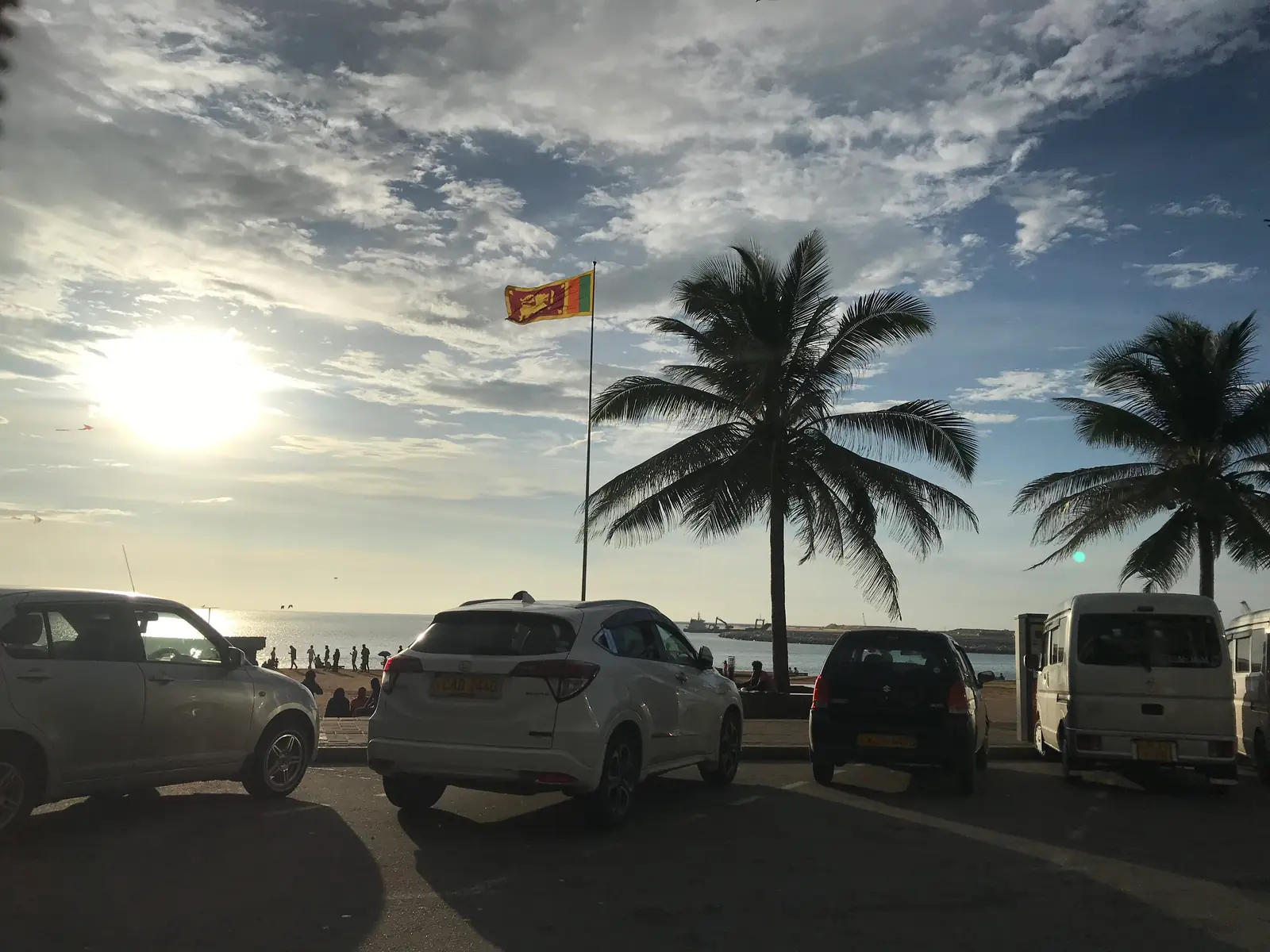
Most of these dishes are among the cheapest things you will buy; our budget guide shows how far food money goes. And for Colombo's liveliest evening street food, head to Galle Face Green at sunset, where the stalls along the promenade sell isso vadai - crisp lentil fritters topped with whole prawns.