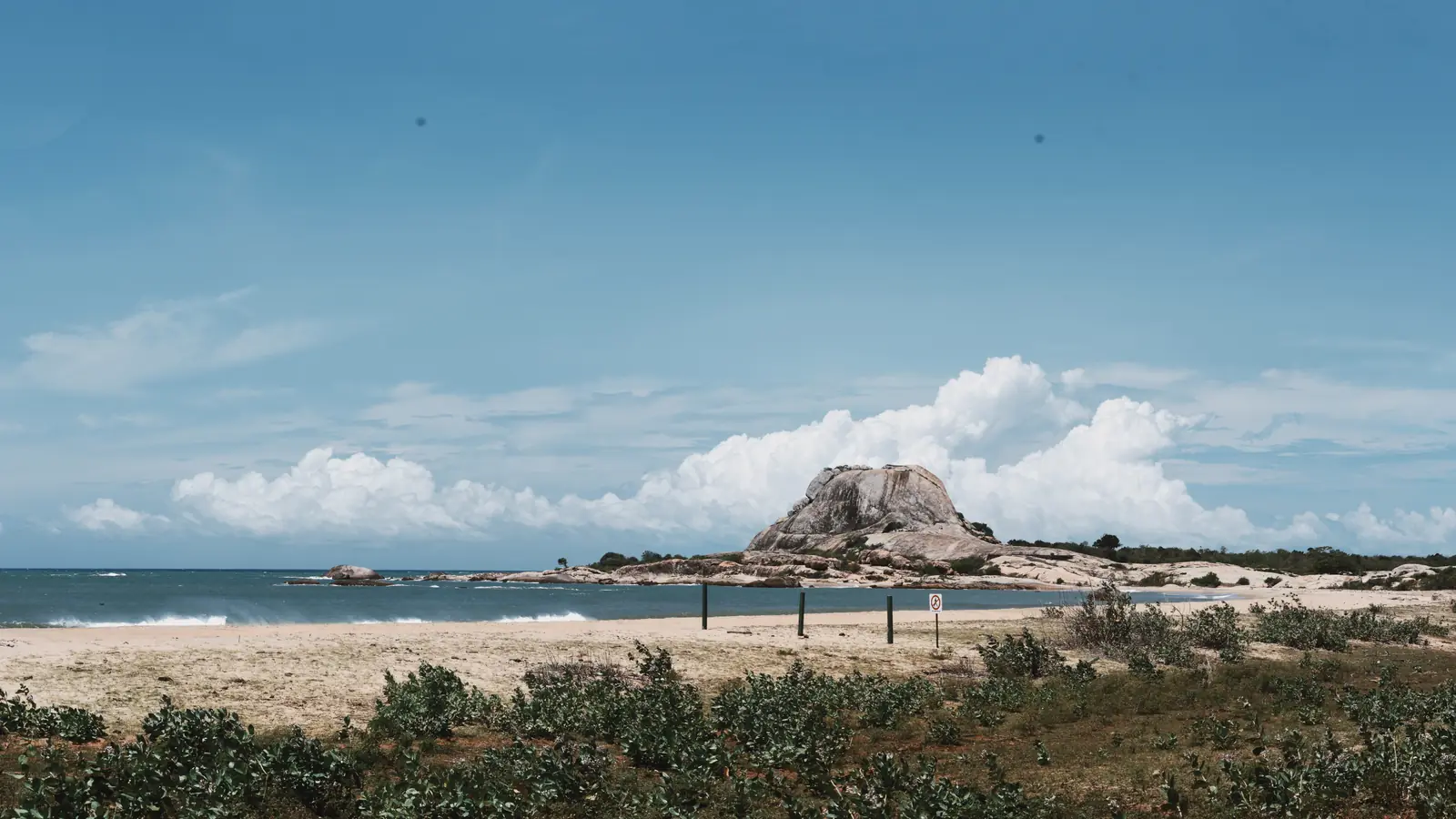
Yala is Sri Lanka's most famous national park, and its most argued-about. It has one of the highest densities of leopards in the world, along with elephants, sloth bears, crocodiles, buffalo and well over two hundred species of bird, in a landscape of scrub jungle, rocky outcrops, lagoons and wild coastline. In the main season it is also crowded: at a leopard sighting in the most popular block you may count dozens of jeeps. Both things are true. Plan around them, and Yala can be extraordinary.
How the park is organised
Yala is divided into blocks, entered through different gates, and which one you choose shapes the whole safari.
- ◆Block 1 is the classic Yala: the most visited area, the best odds of a leopard, and the busiest. Most jeeps enter at Palatupana, near Tissamaharama and Kirinda.
- ◆Katagamuwa gate, on the Kataragama side, also leads into Block 1 and sees far fewer vehicles - a good option if your driver knows it.
- ◆Block 2 adjoins Block 1 and is reached through the same gates.
- ◆Galge gate, on the road between Buttala and Kataragama, leads to the inland Blocks 3 and 5: quieter and wilder, with fewer leopard sightings but a far more peaceful drive.
When to go, and the closures
Yala is open for most of the year, and the dry season from about May to September gives the best visibility, as animals gather around the remaining water. In most years, the wildlife department closes Blocks 1 and 2 for several weeks at the height of the drought around September and October; in 2026 they were closed from 14 September to 15 October, while the other blocks stayed open. The dates change every year and are announced at short notice, so check before booking if you are travelling then.
Leopards are seen year-round. The months after the rains, from about November to January, bring green scenery and good birdlife, though thicker vegetation can make animals harder to spot.
Morning, afternoon or full day?
- ◆Morning - jeeps queue at the gate before it opens at around 6am. The first hours are the coolest, and animals are most active. Most morning safaris finish by about 10 or 11am.
- ◆Afternoon - from about 2:30 or 3pm until the park closes at around 6pm. The light is beautiful, and the afternoon is often as good as the morning for leopards.
- ◆Full day - with a packed lunch at a designated stop. Worth it for photographers and for reaching the park's remoter corners, though the midday hours are hot and quiet.
What it costs
You pay for the park and the jeep separately. The park ticket, with its service charges and taxes, comes to roughly $35 to $45 per foreign adult per visit, depending on current rates. A jeep is usually hired as a whole vehicle for a half or full day and shared by up to six passengers. All told, budget roughly $40 to $60 per person for a shared half-day safari, and more for a private jeep or a full day. Book through your guesthouse in Tissamaharama or Kirinda, or directly with a local jeep owner, rather than as a package from Colombo - it is the same jeep for less. Our entrance fees guide compares the other parks.
Leopards and the jeep jam
Leopard sightings in Block 1 are common but never guaranteed, and the moment one is found, radios and phones bring every jeep nearby racing to the spot. The result can be a scrum of vehicles with engines running, jostling for position - stressful for the animal, and a long way from the safari you imagined.
- ◆Tell your driver at the start that you don't want to race to sightings or crowd an animal. Good drivers will respect it, and it is worth saying anyway.
- ◆Consider the quieter gates and blocks. Katagamuwa, or Blocks 3 and 5 from Galge, trade some of the leopard odds for an experience that feels like wilderness.
- ◆Stay in the vehicle and keep quiet. Getting out is prohibited except at designated places, and feeding animals is forbidden.
- ◆Wear muted colours and bring binoculars. Many of the best sightings are of animals that are not leopards.
Trackers
Every jeep entering the park takes on a tracker from the Department of Wildlife Conservation at the gate. They know the park intimately and are often the first to spot an animal. A tip for the tracker at the end, separate from the driver's, is customary - our money guide suggests amounts.
Where to stay
Tissamaharama, about half an hour from Palatupana, is the main base, with the widest choice of guesthouses and hotels around its ancient reservoir and stupa. Kirinda is smaller, closer to the gate and right by the sea. The tented camps and lodges on the park boundary offer the most atmospheric stays, at the most atmospheric prices. Kataragama, the pilgrimage town, is the base for the Katagamuwa gate.
Alternatives to Yala
- ◆Udawalawe - the most reliable park in the country for elephants, mostly open grassland, and calmer than Yala.
- ◆Bundala - a wetland park near Hambantota for birds, especially migrants from November to April, and crocodiles.
- ◆Kumana - Yala's eastern neighbour, reached from Arugam Bay, with superb birding and leopards seen by far fewer jeeps.
- ◆Wilpattu - Sri Lanka's largest national park, in the north-west, with leopards in dense jungle around natural lakes and the feeling of having it to yourself.
- ◆Lunugamvehera - a little-visited park beside Yala's inland blocks, good for elephants.
What to bring
- ◆Binoculars, and a camera with a zoom lens.
- ◆A hat, sun cream and a scarf or buff - the jeeps are open and the tracks are dusty.
- ◆Water and snacks, especially on a full day.
- ◆Cash for the park ticket if it isn't included, and for tips.
- ◆A light jacket for the pre-dawn drive to the gate.
Yala slots neatly between Ella and the south coast - our itineraries show how - and the wildlife and safari collection lists every park and reserve in our guide.